


Nowadays, whether you like it or not, we live a large portion of our lives online.
Sometimes it’s hard to believe exactly how much of our lives are actually available online.
In 2026, this goes far beyond social media… our homes, cars, and even our health are connected through the Internet of Things (IoT)… creating a vast, always-on network of personal data.
With so much important data being passed back and forth, it is more important than ever to try and protect ourselves online.
No matter how careful we try to be, there are bad actors that are actively looking to intercept the data we share.
Nothing To Hide
At this point, you may already be thinking… Who wants my information?
I don’t have any money… all I have is bills… they can have them…
Or perhaps you might be thinking… I don’t do anything illegal and I don’t have any shameful secrets to hide.
Why should I care about online security?
And while all of those things may be true… the cost of just one piece of your private information being exploited can ruin your life.
They Will Keep Us Safe
Frankly, most people have a vague idea at best about exactly what online privacy and online security actually are.
Not to mention, most of us feel (and frankly, rightly so) that the companies and websites we interact with online have a ‘lion’s share’ of responsibility.
However, in reality… Nothing is further from the truth!
These major online entities are often the primary target of hackers.
However, would it surprise you to know that the people who have the most to gain from using your personal data are the governments… and the institutions and platforms that we all know, use and ‘trust’.
Some of the worst violators are the web browsers you use… yes, Google… the social media platforms you share all your most intimate information with… yes, Facebook… the apps you load on your cell phone to make your busy life easier… these are some of the worst violators of our online privacy.
In 2026, this has evolved…
Companies are now using your data not just to sell you products… but to train powerful AI models… turning your digital footprint into the fuel for artificial intelligence.
Online Privacy
So, it’s probably a good idea to start with creating a base level of understanding as to exactly what the terms ‘online privacy’ and ‘online security’ actually mean.
Let’s start with online privacy…
In simplest terms… your right to privacy on the internet is the same as your right to privacy out in the physical world.
The term `Online Privacy` refers to your right… as an internet user and consumer… to protect any sensitive or valuable data from being shared without your consent.
Honestly, it can be overwhelming to even consider all the possibilities.
Data Gathered About You
So what information are websites and bad actors collecting?
It can be broken down into 2 major categories… ‘who you are’ and ‘what you do’.
The ‘Who You Are’ is your Personal Identifying Information (PII).
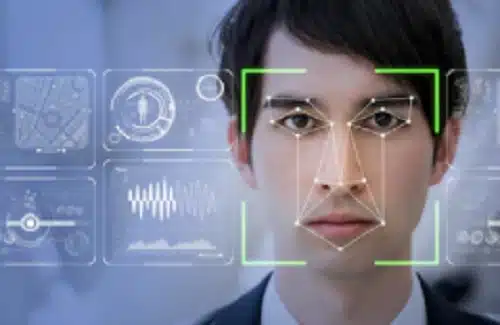
This is where Identity Theft is born.
For victims of identity theft, the road to recovery can be long and arduous.
These types of violations can happen through malware, elaborate email scams, or most commonly, data breaches. [LINK:DATA BREACHES]
If you have been a victim, help is out there.
Read More About Identity Theft & These Protection Services Here {LINK: IDENTITY THEFT]
Consumer Protection
Online consumers are slowly waking up to the threats they face.
Recently, privacy search engine DuckDuckGo completed a survey showing that many people have recently changed their online privacy settings.
Given the sheer number of data breaches, you would think that these entities MUST be upgrading their security…
Well… in most cases, there is little or no repercussions.
Governments across the globe are slow to react.
One such major piece of legislation came into effect in May 2018, when European regulators enacted the General Data Protection Regulation (GDPR).
The ‘What You Do’
The second part of your personal information is ‘what you do’ online and is sometimes referred to as your Digital Footprint.
This can be broken into two categories; Active Footprints (social media posts, emails) and Passive Footprints (browsing history, GPS info).
With that level of ‘what you do’ information, companies and governments can put together a pretty accurate personality profile on you… they can know where you’re likely to go, how you’re likely to react, what you’re likely to buy…
Scared yet?
You should be!
Online Security
[ INSERT ONLINE SECURITY IMAGE] It is through our active use of ‘Online Security’ measures that we attempt to protect our data from those who may want to use it for personal gain.
Online Security is the actions that you take to protect yourself against attacks on the internet.
It’s important to consider some of the steps you can take to help protect yourself not only from the ‘hackers’ but websites and apps you use every single day.
Device Security
First and foremost, keeping the operating systems of your devices up to date is step number one.
The software and applications you use on each of your devices are also constantly being updated.
Using Spam Blockers is another way you can help protect yourself.
Read More About Device Security [LINK: DEVICE SECURITY]
Operator Security
Sometimes the weakest link in the chain is the human being.
Creating good safety habits while we’re online can be key.
Let’s look at some of the ways we can do just that…
Passwords
In this day and age, passwords are a necessary evil.
We fall into the trap of using the same password for many different things… easier for us… GREAT for hackers!
Get in the habit of creating unique, strong passwords.
There are password generation & management services out there to help.
Read More About Strong Passwords Here [LINK: PASSWORDS]
Privacy Settings
As we mentioned earlier, you should be sure to set the Privacy Settings on your electronic devices to your preferred settings.
The same holds true for the websites and platforms you use as well.
WARNING – While you should adjust platform privacy settings, you should not necessarily trust them. They usually apply only to other users and not to the platform itself.
Multi Factor Authentication
Many websites and applications will allow… and often require… you to utilize an additional layer of security.
This is called Multi Factor Authentication or 2 Factor Authentication (2FA).
If this type of additional security is available, we suggest that you use it wherever possible.
Read More About Multi Factor Authentication Here [LINK: 2FA]
Firewalls & Anti-Virus
Unless you’ve been living under a rock, you’ve heard the terms Firewall and Anti-Virus protection.
They are a ‘filter’ which denies access to a particular device or network.
Many people know they should use Anti-Virus, but they should also consider a Firewall as additional security.
Read More About Firewalls & Virus Protection Here [LINK: ANTI-VIRUS]
Browser Security
One of the biggest offenders tracking you online is the browser you use.
They track every single thing you do online… and then THEY SELL IT!
Needless to say, one of the most important things you can do is pick a privacy-centric browser for all of your online activity.
I use and recommend Brave Browser.
Learn Why You Should Use Brave Browser Here [LINK: SECURITY BROWSERS]
Virtual Private Network (VPN)
When you navigate to a website, that connection ‘may be’ secure… but when you’re transferring information and data, you likely are not.
Enter a Virtual Private Network (VPN).
Basically a VPN allows you to encrypt your information while you operate online.
This is a must.
I use and recommend Torguard VPN.
If you decide to sign up, use code CCM at checkout and receive 50% Off for life.
Email Best Practices

Email is still one of the best ways for bad actors to infect a device.
Never click on links, especially from unknown senders.
Hackers can ‘spoof’ the look and feel of an email.
Also, don’t think for one moment that your email provider isn’t scanning the emails you send and receive.
You may want to consider using encrypted email.
I use, and recommend Protonmail… if you want an all-in-one privacy package… Proton also has a VPN service and a Password Manager.
Read More About Email Security Here [LINK: EMAIL]
Cryptocurrency & Online Security
So, why all this talk about Online Safety & Security on a crypto blog?
Simple… the cryptocurrency space is all about your privacy and your ability to be your own bank.

Because you are your own bank, keeping your crypto safe is your responsibility.
In the world of crypto, a single mistake in your online security… like reusing a password or clicking a phishing link… can result in the irreversible loss of your entire investment.
There is no ‘chargeback’ or bank to call.
Being sure that everything you do online is as safe & secure as possible is the first step to protecting your crypto assets.
The Ongoing Security Mission
One thing is for certain… we spend a tremendous amount of time and share a tremendous amount of our personal information online.
This will only continue to increase.
So making our Online Safety and Security a priority only makes sense.
There will be constant changes and innovations on these fronts, and CryptoCoinMindSet will work to bring them to you.
I want to help you be safe and prosper in the cryptocurrency space… so to that end, we will continue to blog about these Online Safety & Security topics.
Don’t want to sit and read the latest post?
No problem… you can see our latest Online Safety & Security related video here.
Knowing where to start can be overwhelming.
To make it simple, I’ve compiled all of the recommended tools I use personally… from my VPN to my secure email… in one place.
You can find my complete security setup on the My Toolbox Page.

