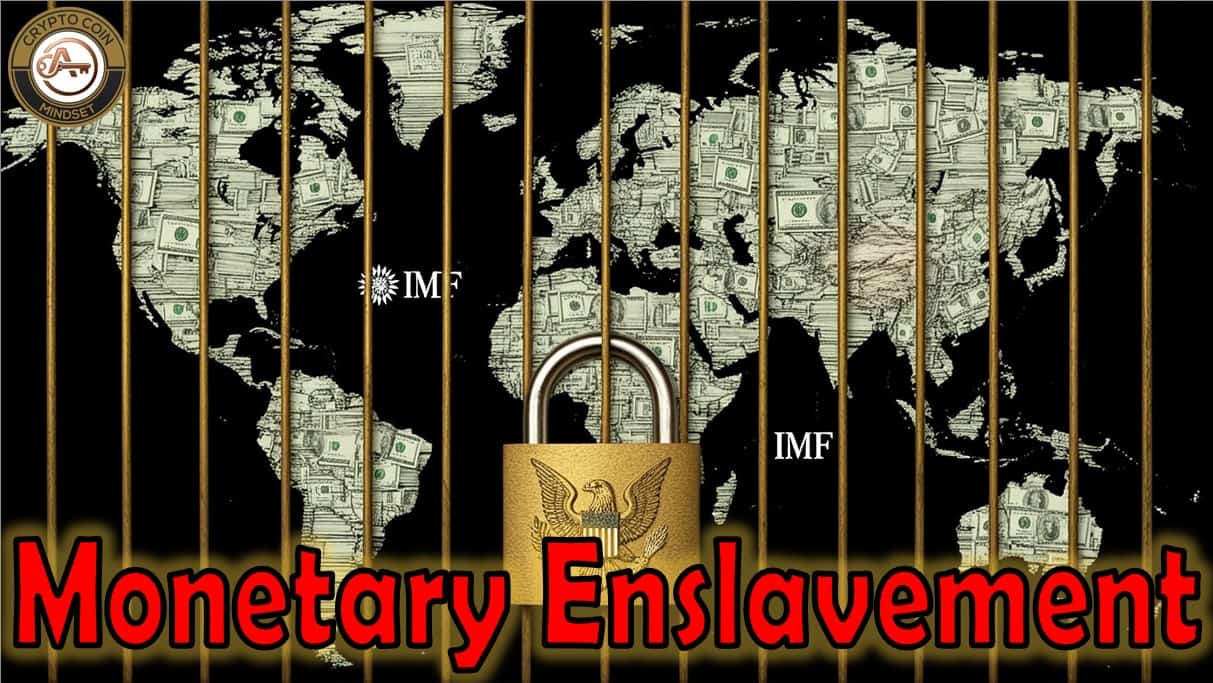
Central Banking Cartel: An Introduction to the Federal Reserve & IMF
ARC102: The Central Banking Cartel: An Introduction to the Federal Reserve & IMF
In my last article, ARC101 – What’s Wrong With My Money?, I pulled back the curtain on the modern financial system.
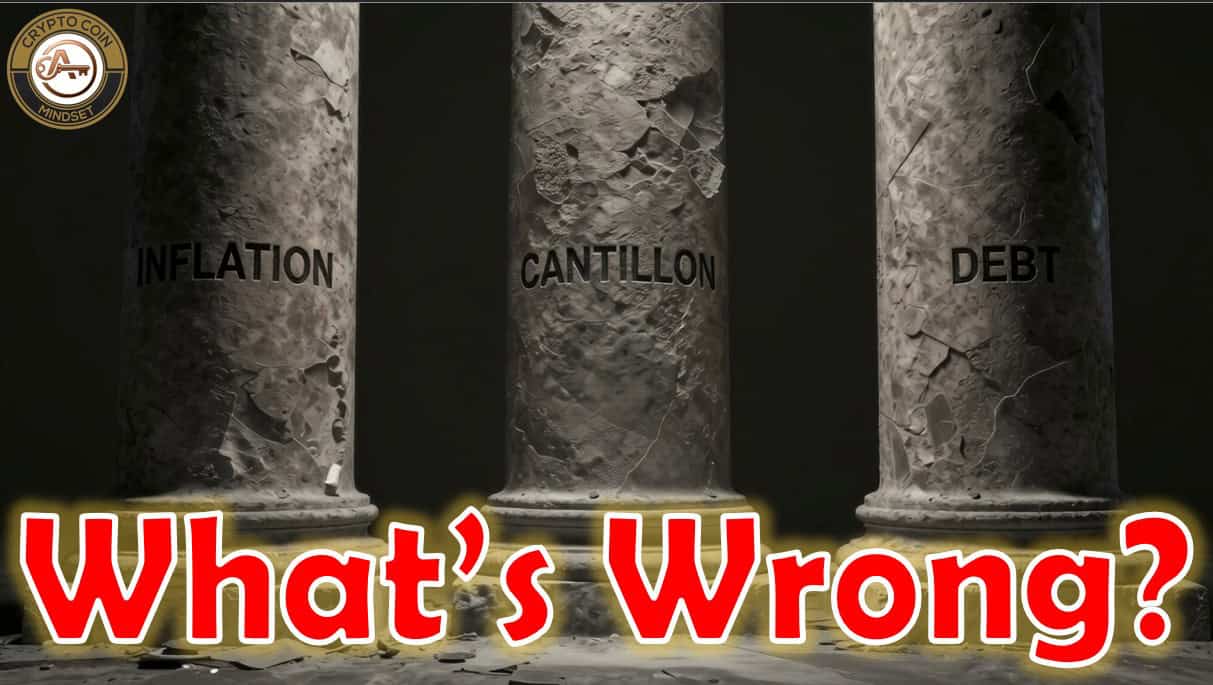
I exposed the three pillars that hold it up… inflation – the hidden tax… the Cantillon Effect – its unfair distribution mechanism… and the sovereign debt spiral – the ultimate motive.
But I didn’t stop there… I also established that this isn’t a system of random accidents… it’s a machine… and it’s running exactly as designed.
But who built the machine?
Who is at the controls?
Great questions!
And today, I’m going to name the names… I’m moving from the “what” to the “who.”
I’m going to introduce you to the two-headed entity at the heart of this global system… The Federal Reserve and the International Monetary Fund.
These are not separate, unrelated institutions…
They are two tiers of a single… coordinated… global “central banking cartel” designed to manage debt and control economies… both at home and abroad.
This is the story of how they do it.
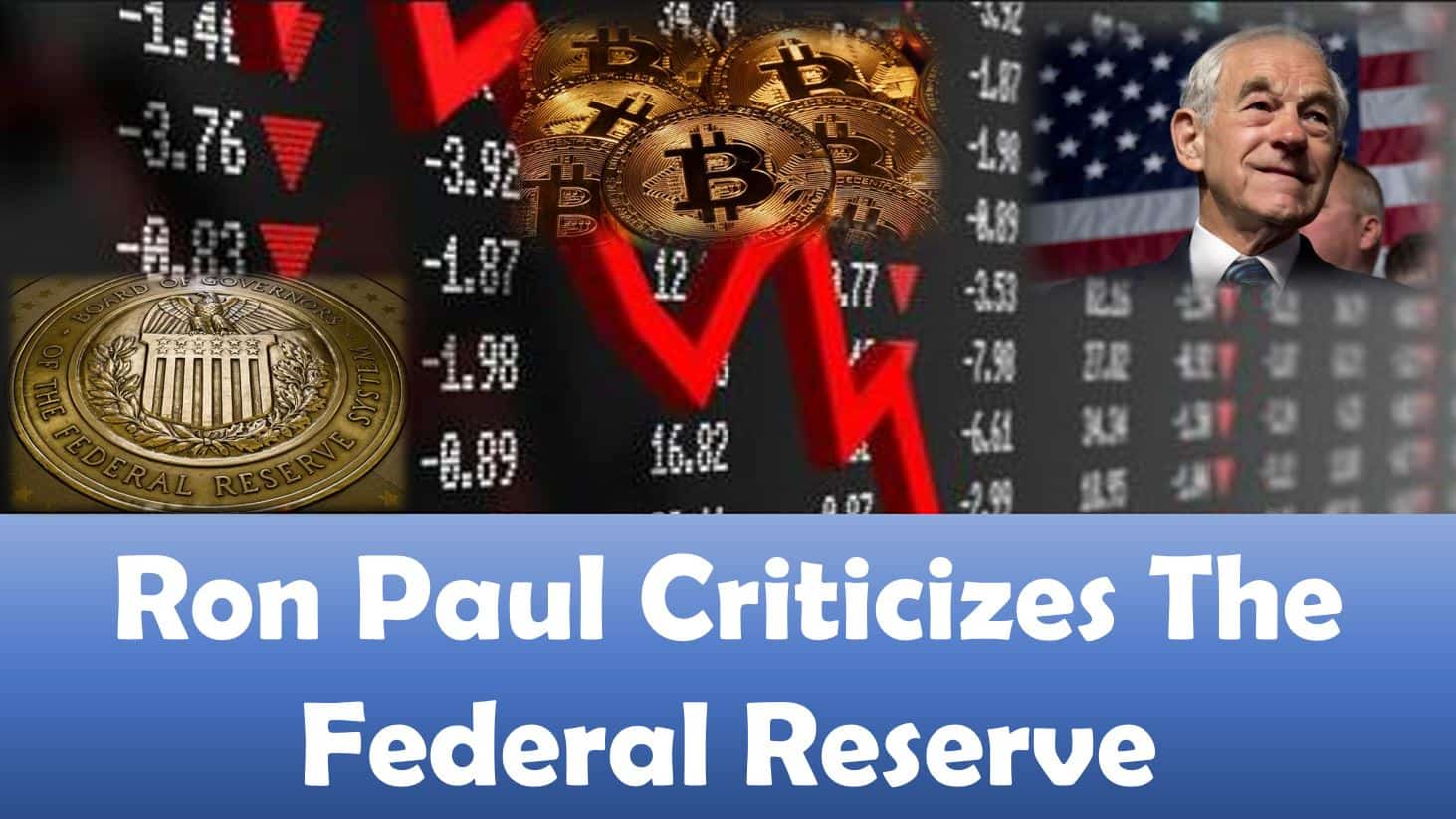
The Federal Reserve – Domestic Engine of Control
As I start to unravel this cartel for you, I’m going to begin with with the entity will deal with here in the United States… The Federal Reserve.
To help you understand how it all began… and how it has become the domestic powerhouse it is today… I’m going to look at the story they tell us in school… then expose the truth…
The Fed’s origin story is a compelling one… created to bring calm to chaos…
It goes like this… in the early 1900s, the United States didn’t have a central bank.
Back then, the banking system was a messy patchwork of thousands of independent, smaller banks, and their currency was backed by hard physical gold.
This system, we’re told, was chaotic… and prone to seasonal liquidity crunches.
For example, when farmers needed to withdraw their money during harvest, it would drain cash from city banks, sometimes causing them to fail.
These were real, localized panics…
But the big one… the Panic of 1907… that one was different…
It began when a failed speculative scheme caused the collapse of the Knickerbocker Trust Company in New York.
Fear spread like wildfire… people lined up for blocks to pull their gold out of the banks.
The system froze.
There was no “lender of last resort.”
The government had no mechanism to inject cash and stop the panic.
One man… a name we know even until today… J.P. Morgan, stepped in to quell the chaos.
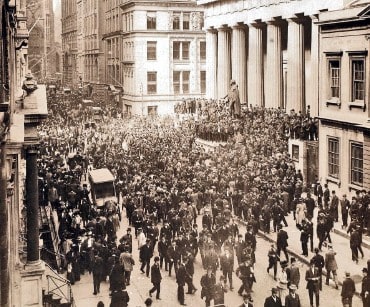
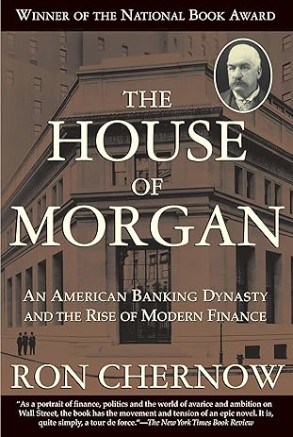
As documented by historian Ron Chernow in “The House of Morgan,” Morgan… who was the most powerful financier in the country at that time… locked himself in his library with the other New York banking leaders.
During these meetings he used his own immense fortune and influence to force them to work together. He ultimately pledged millions of his own money to prop up the system.
He effectively acted as the nation’s private, one-man central bank.
The public and the politicians were horrified… and rightly so…
They realized the entire U.S. economy had just been saved from collapse by a single man.
Thus was born the narrative:
“This must never happen again. We can’t rely on a private citizen. We need a public institution, a central bank, to provide that emergency liquidity and prevent future panics.”
This was the problem the Federal Reserve was created to solve.
n 1913, a secret meeting of the nation’s top bankers and politicians was held on Jekyll Island, Georgia.
Shortly after, the Federal Reserve Act was passed.
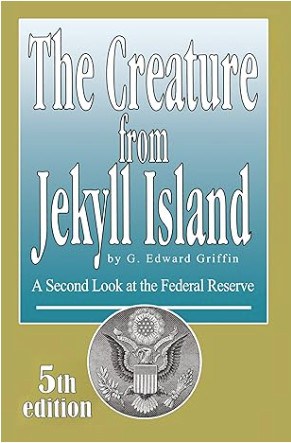
The full story of that clandestine meeting, where the blueprint for the Fed was designed by the very men who would benefit from it, is brilliantly detailed in G. Edward Griffin’s book, “The Creature from Jekyll Island.”
The Act created the Federal Reserve as a quasi-governmental entity with a unique, and unprecedented power.
The Unspoken Mandate: Monopoly & Debt Monetization
The Fed was granted a monopoly on the creation of money and credit in the United States.
It was given the authority to buy government debt and to issue its own currency… Federal Reserve Notes… which were made legal tender for all debts, public and private.
But its true function goes far deeper.
The Fed is not part of the executive branch… the legislative branch… or the judicial branch… it is its own entity.
This unique structure is the key to its independence.
It’s composed of three main parts:
1. Board of Governors in Washington D.C… which is a government agency
2. Twelve regional Federal Reserve Banks… which are structured like private corporations and owned by the member banks in their district
3. The Federal Open Market Committee (FOMC)… which sets monetary policy, and includes both the Board Governors and presidents of the regional banks.
This hybrid design is deliberate…
It allows the Fed to operate with the backing and authority of the federal government… while its regional banks and their private owners… the very commercial banks it’s supposed to regulate… are insulated from direct political control.
It’s the ultimate public-private partnership… designed to serve the banking class.
Supposedly The Fed is answerable to Congress… but in practice… they are answerable to no one but themselves.
It is a cartel of the most powerful banks in the world… given a monopoly on the creation of money… and the power to print it at will.
Believe it or not, The Fed actually has a mandate…
Its stated two-pronged mandate is… “maximum employment”… and “stable prices.”
This is a smokescreen.
These goals are fundamentally incompatible…
To create jobs, the Fed must stimulate the economy… often by printing more money… which causes inflation…
To fight inflation, it must raise interest rates and slow the economy… which causes job losses.
The Fed is forced to choose between them… and as we’ll see, it almost always chooses to protect the banks… and the financial system.
The Fed’s primary tool is the control of interest rates.
It sets the “federal funds rate,” which is the interest rate that commercial banks charge each other for overnight loans.
This rate becomes the benchmark for all other interest rates in the economy, from your mortgage to your credit card.
But it has another, more direct tool… the repo market.
“Repo” stands for repurchase agreement.
Think of it like a high-stakes pawn shop for banks…
When a bank needs cash overnight, it can sell assets, like government bonds to the Fed with an agreement to buy them back the next day at a slightly higher price.
This is how the Fed acts as the “lender of last resort” at the institutional level… injecting trillions of dollars into the system overnight… without any public debate or congressional approval.
International Monetary Fund – The Global Enforcer
If the Federal Reserve is the engine of control at home… the International Monetary Fund, or IMF, is how that control is projected onto the rest of the world.
Quite frankly, it’s the how they project this control that is insidious… but I’m getting ahead of myself…
Let’s start with how they came to exist…
The IMF’s origin story is tied to another pivotal moment in financial history… the end of World War II.
The world was in ruins, and the global financial system was shattered.
So, in 1944, the representatives from 44 allied nations met at Bretton Woods, New Hampshire. They’re goal was to design a new global economic order.
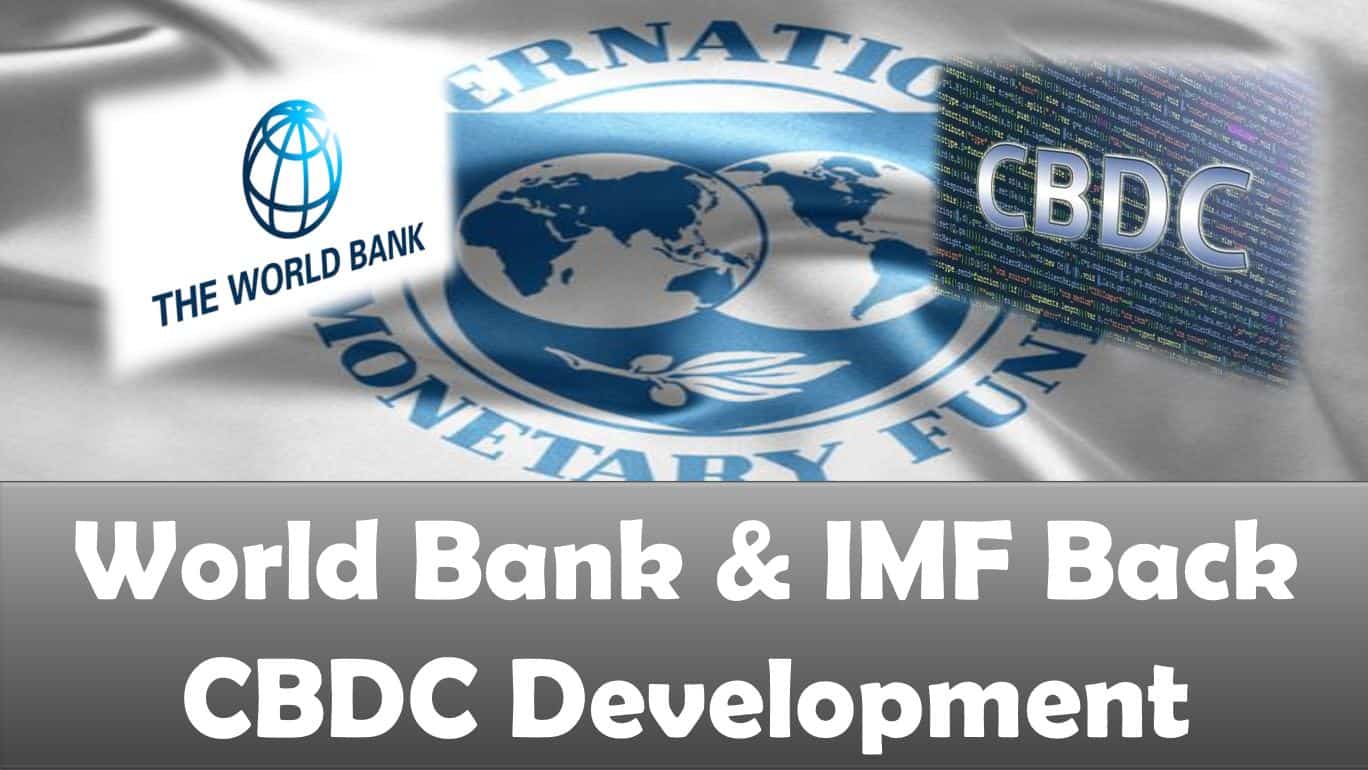
Out of this meeting came two major institutions… The World Bank, tasked with financing reconstruction… and the IMF, tasked with ensuring the stability of the international monetary system and preventing future currency crises.
Its stated purpose was to provide loans to nations with balance-of-payments problems, acting as a global stabilizer.
But the system designed at Bretton Woods was built on a promise that would eventually be broken…
From that meeting it was decided that U.S. dollar would be the world’s reserve currency… and the U.S. dollar would be pegged to gold, at a price of $35 per ounce.
So, anyone could bring their USD into a bank, and get the requisite amount of gold.
Sounds like a good system… right?
“Structural Adjustment” Trap: The Modern Colonialism
As we talk through the rest of this story, all I can say is… you can’t trust anybody!
Why, you might ask… because as I mentioned a moment ago, the promise of having a U.S. dollar, pegged to gold, was great… until it wasn’t…
In 1971, when President Nixon took the U.S. off the gold standard… that system collapsed.
The dollar became a pure fiat currency… backed by nothing but faith in the U.S. government.
This change supercharged the IMF’s role… it was no longer just a stabilizer… the IMF became the enforcer of the new dollar-based global system.
This is what I was illuding to earlier… this is how the IMF “helps” struggling nations… by strangling them…
When a developing nation gets into financial trouble and can’t pay its debts… it turns to the IMF for a bailout.
But that bailout comes with a heavy price… it comes with “conditionalities”… or what are known as Structural Adjustment Programs (SAPs).
These conditions are a one-size-fits-all prescription that includes:
* Austerity Measures: The nation must cut government spending, often on critical public services like healthcare, education, and subsidies for the poor.
* Privatization: The nation must sell its state-owned assets… its utilities, its natural resources, its banks… to foreign corporations, usually at fire-sale prices.
* Deregulation: The nation must eliminate barriers to trade and capital, allowing foreign companies to enter their markets and compete with local businesses.
So, let’s put it into plain language…
The nation who gets “help” from the IMF has to stop providing helpful spending for its citizens… must sell its assets like utilities & natural resources… and must allow foreign companies to compete with local business…
The IMF calls this “fiscal responsibility.”
I call it servitude…
In reality, it’s a system that forces nations to subordinate their economic sovereignty to global financial interests.
It turns them into economic colonies… forever beholden to the IMF and its member nations for loans… forced to implement policies that benefit Western banks and corporations at the expense of their own people.
The Cartel in Action – A Symbiotic Relationship
So how do the Fed and the IMF work together as a single, coordinated cartel?
And for the record… I use the word cartel on purpose… because that IS what they are…
Before I get too far off track…
Here is how they work in a perfect symbiotic cycle…
1. The Federal Reserve creates the world’s primary reserve currency… the U.S. dollar… out of thin air.
2. This allows the U.S. government to run massive deficits and fund its operations by selling debt (treasury bonds) that the Fed, and other central banks buy.
3. This flood of dollars circulates the globe, and developing nations take on dollar-denominated debt to finance their own growth.
4. When a global crisis hits, or when the Fed raises interest rates, the debt burden on these nations becomes unsustainable. They can’t pay their bills.
5. They turn to the IMF for a bailout, which then imposes “Structural Adjustment” conditions that open up their economies to be controlled and exploited by the very system that created the problem in the first place.
Insidious…
To be clear… if any other group… anywhere in the world… tried to do this, it would be illegal
This is the Cantillon Effect we discussed in ARC101… but on a global scale.
The Fed’s money creation benefits the U.S. financial class first… the IMF ensures that the Cantillon Effect extends globally… thus guaranteeing that wealth flows from the world’s periphery to its core…the U.S. and its Western allies.
Understanding the Cage
Hopefully after reading this you understand that the Federal Reserve, and the International Monetary Fund, are not benevolent institutions designed to help humanity.
Quite the opposite…
They are two sides of the same coin… a powerful global cartel that manages a system of debt-based control.
The Fed manages the domestic engine of money creation and debt monetization… while the IMF acts as the global enforcer, ensuring other nations play by the same rules.
I hope you are beginning to see that this is not a system of random accidents… it is a design.
IT IS a machine built to centralize power… and concentrate wealth… in the hands of a global financial elite.
Understanding this structure is critical…
It’s the difference between thinking the system is broken and realizing it’s working exactly as intended.
Now that you understand the architects and enforcers of this machine… we can begin to grasp its most devastating and unavoidable consequence.
In the next article, ARC103, we will explore that consequence: The Sovereign Debt Spiral, the inevitable path to collapse that this system is designed to create.
Disclaimer
The information provided here is for INFORMATIONAL & EDUCATIONAL PURPOSES ONLY!
View our complete disclaimer on our Disclaimer Page